When to Mow Your Lawn: The Ultimate Guide
-

- 22 Jul, 2025
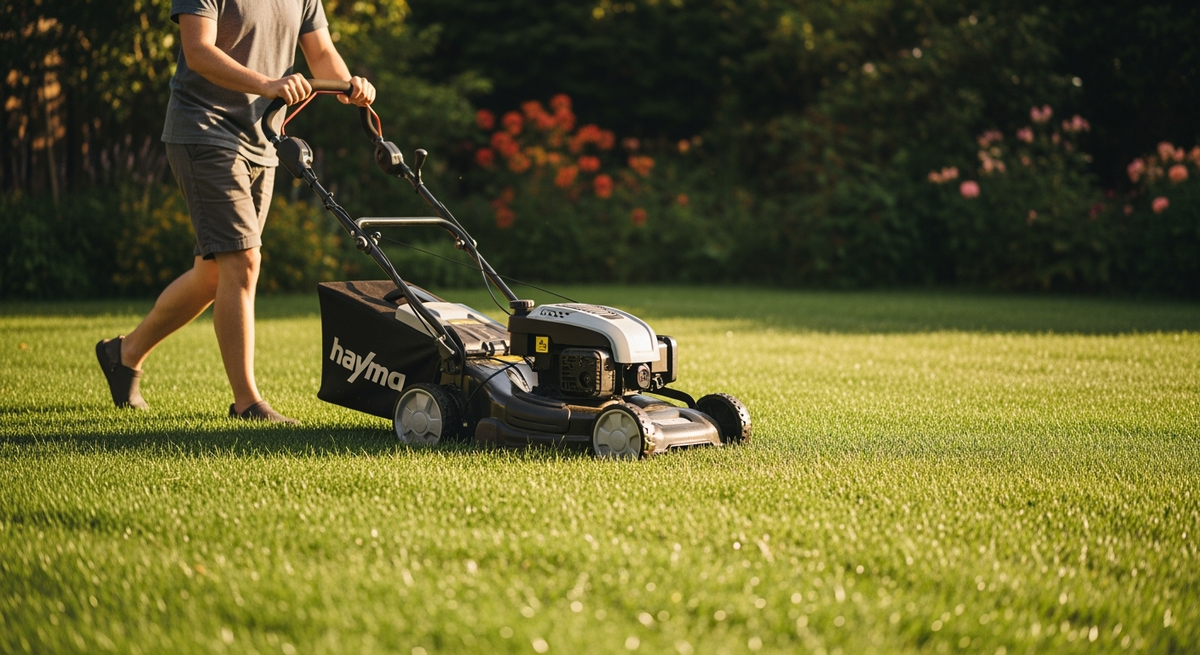
Let’s be honest, mowing the lawn is a chore that’s on most of our to-do lists. But what if I told you that a few simple tweaks to when and how you mow could be the secret to a greener, healthier, and more resilient lawn? It’s true. You don’t need a degree in turf science or a garage full of fancy equipment. This guide is all about mowing smarter, not harder. We’ll cover the absolute best time of day to mow, finally settle the debate on mowing after it rains, and give you a super-simple list of dos and don’ts. Get ready to turn a routine task into your lawn’s best friend.
Why Your Mowing Time Matters
Think of your lawn as a living, breathing thing—because it is! Just like us, grass can get stressed out. Mowing is essentially giving your lawn a haircut, and the timing of that cut can either help it thrive or leave it vulnerable. The two biggest culprits for bad timing are the intense midday sun and soggy, wet conditions. The best time to mow is generally in the mid-morning, after the dew has evaporated but before the day gets too hot [1]. It’s crucial to avoid mowing a wet lawn, whether it’s from dew or a recent downpour [4].
The Golden Rules of Great Mowing
- The One-Third Rule: Never, ever cut off more than one-third of the grass blade’s total height in a single session [10].
- The Perfect Height: For most common grass types, aim for a lush height of about 2 to 4 inches after you’re done mowing [13].
- Stay Sharp: Using sharp mower blades is essential for making a clean, healthy cut instead of tearing the grass [4].
- Mow When It’s Dry: Always wait for the grass to be dry. This gives you the cleanest cut and protects your lawn’s health.
- Find the Sweet Spot: Mid-morning is the ideal time to mow, giving your grass time to heal before the evening.
- Don’t Go Too Low: Cutting your grass too short (or ‘scalping’ it) weakens its root system and invites weeds and disease [18].
Your 5 Steps to the Perfect Mow
- Check the Forecast: A quick look at the weather app can save you a headache. Make sure the grass is dry and there’s no rain on the immediate horizon.
- Clear the Way: Take a five-minute walk around your yard to pick up sticks, dog toys, rocks, or anything else that could get in the way or damage your mower.
- Set the Height: Adjust your mower deck to follow the one-third rule. If your grass is 4.5 inches tall, set the mower to cut at 3 inches, not lower.
- Mix Up Your Pattern: Avoid mowing in the exact same direction every time. Alternating your pattern helps the grass grow upright and avoids creating ruts in the soil.
- Leave the Clippings: If the clippings are small (a sign of regular mowing!), you can leave them. This practice, called ‘grasscycling,’ acts as a natural fertilizer.
💡 Pro Tip
Mowing Wet vs. Dry: The Showdown
We’ve all been there—it finally stopped raining, and the grass is looking like a jungle. It’s tempting to get the mower out right away, but it’s one of the worst things you can do for your lawn. Mowing wet grass creates ugly, clumpy messes, leads to an uneven cut, and can create deep ruts in the soft, saturated soil. Even worse, it’s an open invitation for lawn diseases, as the torn, wet blades are perfect breeding grounds for fungus [5].
| Factor | Mowing a Dry Lawn | Mowing a Wet Lawn |
|---|---|---|
| Cut Quality | Even & Clean | Clogged & Uneven [5] |
| Lawn Health | Promotes Growth | Risks Disease & Ruts [5] |
| Your Mower | Runs Smoothly | Strains & Clogs |
| The Result | A Beautiful Lawn | A Messy Chore |
Lawn Mowing Dos and Don’ts
- DO: Mow in the mid-morning after the dew has fully dried [1].
- DON’T: Mow a wet lawn right after it rains or early in the morning [4].
- DO: Follow the one-third rule, never removing more than a third of the grass blade’s height [10].
- DON’T: Cut your grass super short, which weakens the roots and stresses the lawn [18].
- DO: Use sharp mower blades for a clean, healthy cut that heals quickly.
- DO: Mow regularly, about once every 7 to 10 days during the peak growing season [10].
Your Mowing Questions, Answered
How long should I really wait to mow after it rains?
Wait until the grass blades are completely dry to the touch. A good test is to walk through a small patch; if your shoes get wet, it’s too soon. Mowing wet grass can tear the blades and clog your mower, spreading clumps that can smother the healthy grass underneath [5].
When should I do the very first mow of the season?
Patience is key in the spring. You should wait for the first mow until the grass has actively grown to about 3-4 inches tall [17]. This ensures the ground is firm and the grass roots are strong enough to handle the cut without being damaged.
How often should I be mowing?
During the fast-growing season (typically spring and early summer), mowing about once every 7 to 10 days is a great schedule [10]. This frequency makes it easy to stick to the one-third rule and keeps your lawn looking tidy without getting overgrown.
“I always used to mow on Saturday afternoons. After switching to mid-mornings and not cutting it so short, my lawn is noticeably greener. Simple changes, big difference!” - A happy LookupFuel reader
You’re Ready to Mow Smarter
See? Achieving a lawn you can be proud of is less about hard work and more about good habits. By simply mowing a dry lawn in the mid-morning, keeping your blades sharp, and not cutting the grass too short, you’re giving your lawn everything it needs to thrive. On your next mow, just try one of these tips—like adjusting your mower height—and see how your lawn thanks you.
📝 Note