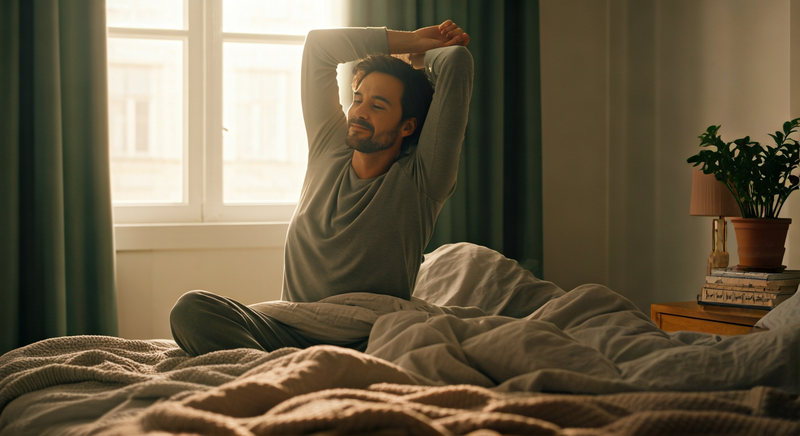
The Gentle Fitness Revolution: Why 'Active Aging' is the New Standard for Health
-
- 20 Jul, 2025
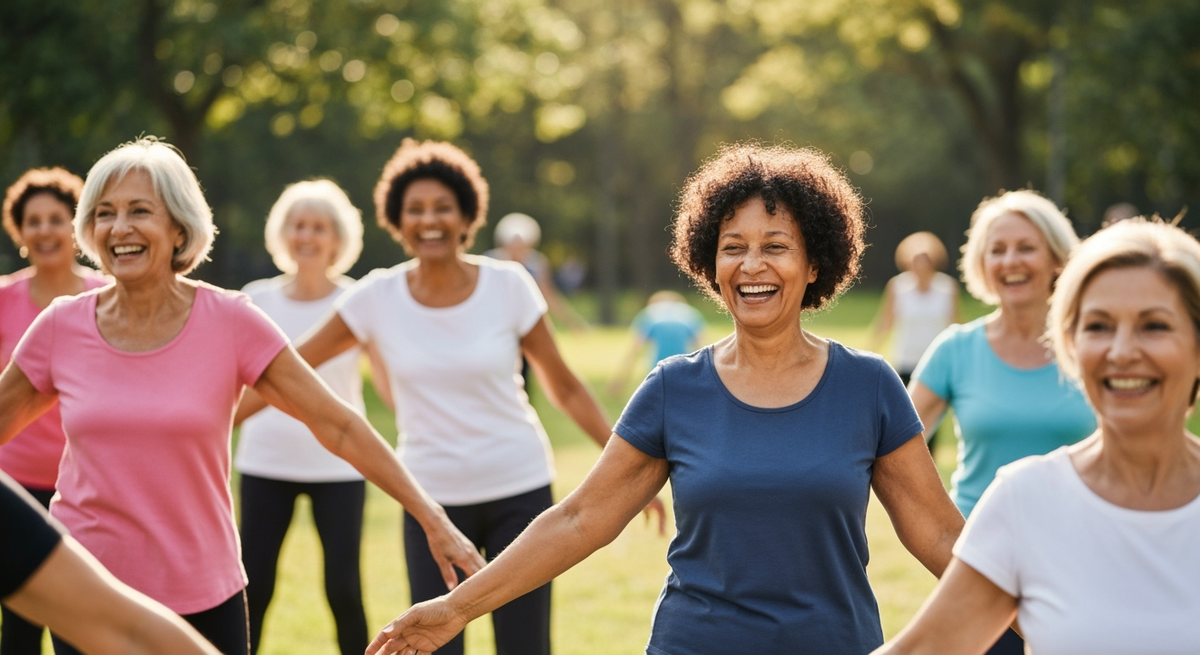
For decades, the prevailing fitness mantra was ‘no pain, no gain.’ But a quiet revolution is underway, shifting our focus from high-intensity, grueling workouts to sustainable, enjoyable, and accessible activity. This change is both welcome and necessary, especially when considering that only 24.2% of adults met the physical activity guidelines for both aerobic and muscle-strengthening activities in 2020 6. Driven by a post-pandemic reevaluation of health, an aging population seeking longevity, and a collective desire for social connection, ‘gentle fitness’ is emerging not as a lesser option, but as a smarter path to long-term well-being.
What’s New: The Faces of Modern Fitness
- The Pickleball Boom: Once a niche sport, pickleball has exploded into a mainstream social phenomenon, offering a fun, low-impact, and highly social way to stay active.
- The Dominance of At-Home Workouts: The convenience of working out from home has proven to be a lasting trend, with digital classes and apps catering to every fitness level and interest.
- Mainstreaming Mind-Body Health: Practices like yoga, tai chi, and meditation are no longer on the fringes. They are now widely recognized as essential components of a holistic health routine, combining physical movement with mental wellness.
- A Focus on Foundational Strength: There’s a growing emphasis on balance and stability training, not just for seniors, but for all ages, as a proactive measure to prevent falls and improve functional strength.
- Joint-Friendly by Default: Activities that are kind to the joints, like swimming, cycling, and aqua aerobics, are gaining popularity as people prioritize sustainability and injury prevention in their fitness plans.
Why It Matters: More Than Just a Workout
This shift toward gentle fitness has profound implications. From a public health perspective, it represents a more inclusive and accessible approach that could help more people get moving, particularly older adults, where only 29.0% met federal physical activity guidelines in 2023 3. This is crucial for the 58.5 million U.S. adults with arthritis who require joint-friendly options 5. Economically, the trend supports the booming at-home fitness market, which a post-COVID survey found is preferred by 56.1% of people 2, and has the potential to reduce long-term healthcare costs through injury and fall prevention. Socially, it fosters community and combats isolation, turning exercise from a solitary chore into a shared, life-enriching activity.
The Trend by the Numbers
- Pickleball participation grew by an astounding 311% over the last three years 1.
- Over half of people (56.1%) prefer to work out at home 2.
- An estimated 58.5 million U.S. adults live with arthritis, highlighting the need for low-impact options 5.
- Mind-body practices are widespread, with approximately 55.78 million U.S. adults practicing yoga 2.
- Only 29.0% of adults aged 65 and older are meeting federal physical activity guidelines 3.
- Dedicated balance training programs can reduce fall injuries in seniors by up to 37% 4.
Expert Perspectives on the Shift
Dr. Alisha Reynolds, Geriatric Specialist: “We’re finally moving away from the idea that you have to exhaust yourself for it to ‘count’ as exercise. The new focus is on sustainable, daily ‘activity.’ Can you take the stairs? Can you garden? Can you play with your grandkids? This approach is far more effective for long-term health and mobility than sporadic, intense workouts that lead to burnout or injury.”
Leo Martinez, Wellness Instructor: “The mind-body connection is central to this movement. An activity like yoga or tai chi isn’t just about flexibility; it’s about awareness, breath, and reducing stress. When people feel better mentally from their physical activity, they’re infinitely more likely to stick with it.”
Chloe Chen, Fitness Economist: “The market is responding rapidly. We’re seeing a surge in apps, wearables, and community programs designed for low-impact fitness and active aging. This isn’t a fleeting trend; it’s a long-term economic shift reflecting a fundamental change in consumer values toward preventative health and quality of life.”
What This Means for You: Practical Steps
- Try an Online Class: Explore platforms like YouTube or dedicated apps for a free or low-cost introduction to yoga, tai chi, or guided meditation from the comfort of your home.
- Find Your Local Court: Look up local parks or community centers for pickleball courts. It’s an easy sport to learn, and the community is known for being welcoming to newcomers.
- Practice Your Balance: Incorporate simple balance exercises into your daily routine. Try standing on one foot while brushing your teeth, switching legs halfway through. This small habit can have a big impact on stability 4.
- Embrace ‘Movement Snacks’: Instead of trying to find a full hour, sprinkle short bursts of activity throughout your day. A 10-minute walk, a few sets of stairs, or some simple stretches all add up.
- Listen to Your Body: Choose activities that feel good. If you have joint pain, opt for swimming or cycling over running. The best exercise is the one you’ll do consistently and without pain.
- Consult a Professional: If you’re unsure where to start, consider talking to a physical therapist or certified trainer who can help you create a safe and effective plan tailored to your needs.
The Future Outlook: Where We’re Headed
Looking ahead, the gentle fitness trend is set to become even more integrated into our lives. Expect to see deeper technology integration, with wearables and apps not just tracking steps, but monitoring balance, form, and joint stress. We’ll likely see a rise in ‘active aging’ communities designed specifically around social, low-impact activities. Furthermore, as the data on prevention becomes undeniable—such as the 37% reduction in fall injuries from balance training 4—we can anticipate healthcare and insurance providers beginning to incentivize these proactive behaviors. Ultimately, the lines between fitness, preventative healthcare, and social life will continue to blur, creating a more holistic and sustainable model for a long, healthy life.
The gentle fitness movement is more than a passing trend; it’s a fundamental redefinition of what it means to live a healthy, active life. By prioritizing sustainability over intensity, community over competition, and mental well-being alongside physical strength, this approach offers a more inclusive and joyful path forward. It empowers everyone, at any age or ability, to take control of their health journey, one enjoyable, mindful movement at a time.