Is Allergy Season Getting Worse? Yes—Here’s Why.

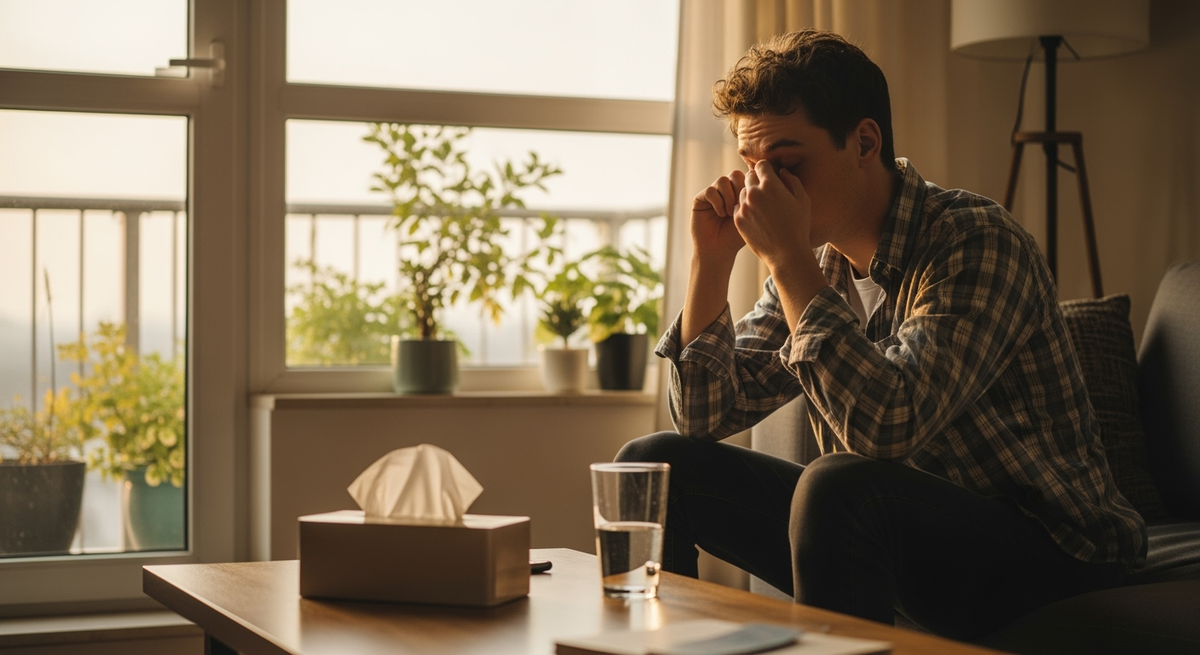
If you feel like your seasonal allergies have been getting worse each year, you’re not just imagining it. What used to be a few weeks of sniffles in the spring now feels like a marathon of itchy eyes and congestion. It’s a common complaint, and the data backs it up: in 2021, over 80 million people in the U.S. suffered from seasonal allergies [3]. The culprit behind this growing misery is surprisingly big: our changing weather patterns. Longer warm spells are giving pollen-producing plants a major boost. Let’s break down what’s happening and, more importantly, what you can do to get some relief.
What’s Different Now?
- Longer Seasons: Your exposure time is growing because North American pollen seasons have become 20 days longer on average since 1990 [1].
- More Pollen: Warmer temperatures and increased CO2 act like super-fertilizer for plants, causing them to produce a lot more pollen.
- Supercharged Pollen: That extra CO2 doesn’t just increase quantity; it can also make pollen more potent, making it more likely to trigger a reaction.
- Worse Air Quality: Climate change can worsen air pollution, and this mix of allergens and pollutants can amplify your symptoms [6].
- Earlier Fungal Spores: It’s not just pollen. The season for fungal spores, another major allergen, started 22 days earlier in 2022 than it did in 2003 [5].
Why This Sneeze-Fest Matters
This isn’t just about stocking up on tissues. Worsening allergies have real-world consequences for our health and wallets. High pollen counts are linked to between 35,000 and 60,000 asthma-related emergency department visits in the U.S. each year [3]. On top of that, we spend over $3 billion annually on medical expenses just to manage pollen-related issues [4]. These changes don’t affect everyone equally, either. Children, the elderly, and people with existing conditions like asthma are especially vulnerable to the health impacts of these supercharged allergy seasons [7]. It’s a growing public health issue that goes far beyond a simple case of the sniffles.
The Numbers Don’t Lie
- Allergy seasons in North America have stretched by an average of 20 days since 1990 [1].
- Pollen concentrations across the continent jumped by 21% in that same timeframe [1].
- The U.S. ‘freeze-free’ season, which lets plants grow, has gotten 20 days longer since 1970 [2].
- Over 80 million Americans—about 1 in 4 adults—had seasonal allergies in 2021 [3].
- Pollen-related asthma flare-ups cause up to 60,000 ER visits annually in the U.S. [3].
- We spend more than $3 billion each year on medical costs just to deal with pollen allergies [4].
What the Experts Are Saying
“…that warming is adversely affecting our pollen seasons.” — Dr. Kari Nadeau, Harvard T.H. Chan School of Public Health [2]
“So we’re seeing that the allergy season is increasing year-by-year. It starts earlier, ends later, and there’s higher amounts of pollen in the air.” — Louis Ziska, Columbia University [3]
“People that are really allergic need to stay indoors more than outdoors…when the wind’s up and blowing.” — Dr. Alfred Johnson, Johnson Medical Associates [7]
Your Allergy-Fighting Game Plan
- Check Pollen Counts: Before you head out, look up the local pollen forecast on a weather app or website.
- Time Your Outings: Pollen levels are usually highest in the morning. If you can, save outdoor chores or exercise for the late afternoon or evening.
- Keep Windows Closed: Use air conditioning in your home and car to filter out pollen instead of letting it drift inside.
- Rinse Off: After being outside for a while, change your clothes and take a quick shower to wash off any pollen that has stuck to you.
- Mask Up for Yard Work: A simple dust mask can make a big difference when you’re mowing the lawn or gardening.
- Invest in an Air Purifier: Using a HEPA filter in your bedroom can create a clean-air sanctuary for a more restful sleep.
What’s Around the Corner?
Unfortunately, this trend isn’t expected to slow down anytime soon. Scientists predict that with continued high rates of CO2 pollution, the U.S. could face a staggering 200% increase in pollen production by the end of the century [2]. But that shouldn’t be a cause for panic—it’s a reason to be proactive. Simply being aware of the link between weather changes and your allergy symptoms is a powerful first step. By learning to manage your exposure now, you’ll be much better prepared to navigate future allergy seasons comfortably, no matter how much pollen the plants decide to throw at us.
So, to answer the big question: yes, allergy season really is getting longer and more intense, and our changing climate is the reason why. It means more pollen in the air for longer periods, which explains why so many of us are feeling it. But it doesn’t mean you’re doomed to months of misery. By understanding what’s driving your symptoms and using a few simple strategies to reduce your exposure—like checking pollen counts and keeping windows closed—you can take back control. Now you’re not just dealing with the sniffles; you’re tackling them with a smart, informed plan.