Find Your Footing: A Guide to Better Balance After 50
-

- 21 Jul, 2025
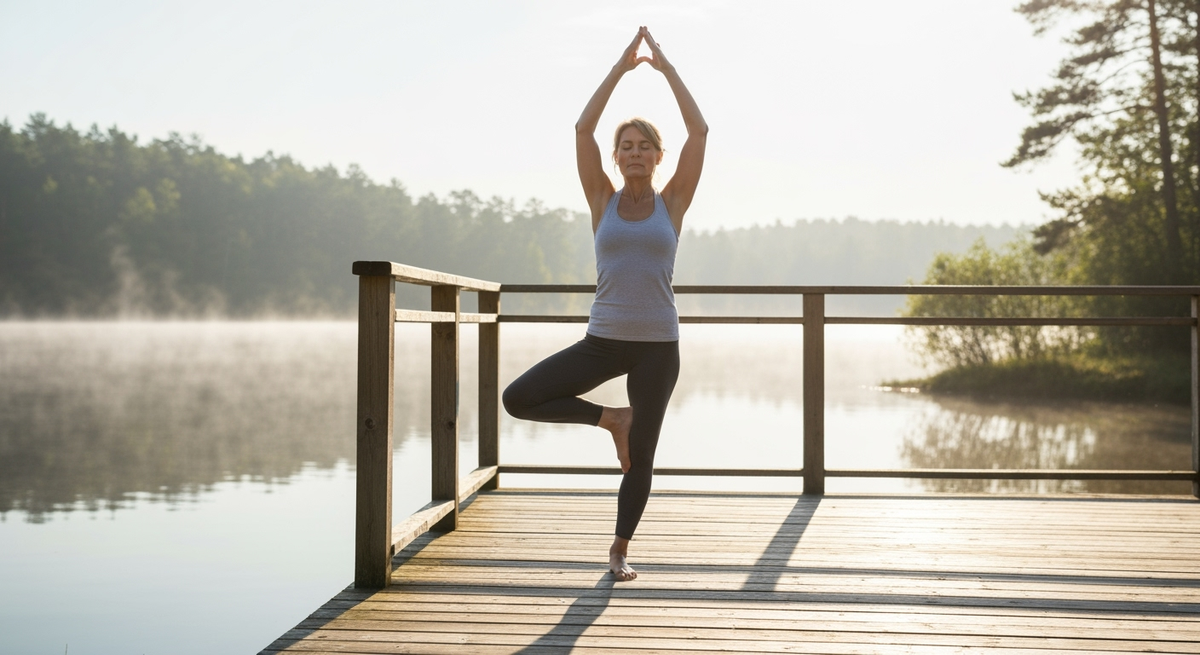
Ever find yourself reaching for a wall or a piece of furniture for just a split second? Or maybe you just feel a little less sure-footed than you used to. You’re not alone. For many of us, our sense of balance can begin to decline as early as age 50 3. But think of balance less as something you lose, and more as a skill you can practice. The good news is that you don’t need to be a gymnast—a few simple, gentle movements can make a huge difference in how steady and confident you feel every single day.
Why a Little Wobble is a Big Deal
That single moment of unsteadiness might seem minor, but it’s worth paying attention to. It’s a bit like a warning light on your car’s dashboard. Taking action now is a simple, powerful way to stay safe and independent. Statistics show that more than one in four adults over 65 falls each year 1, and the fear of it happening can create a tough cycle. After a stumble, you might feel anxious, which can lead to being less active. Unfortunately, that inactivity can weaken your muscles and balance even more. In fact, falling once actually doubles your chances of falling again 1.
The Secret to Stability: It Starts at Your Core
When you hear “core strength,” you might picture someone doing hundreds of crunches. But it’s much simpler than that. Your core is the group of muscles in your torso—your abs, back, and hips—that work together as your body’s anchor. A strong, stable core helps you react quickly and stay upright if you trip on a rug or step on an uneven patch of sidewalk. You don’t need intense gym workouts to build it, either. Research shows that consistent core strength training can significantly improve balance and functional performance, which helps reduce the risk of falls in older adults 5.
5 Simple Moves to Build Your Balance
- Try the Single-Leg Stand. Stand behind a sturdy chair or kitchen counter, holding on for support. Lift one foot off the floor and try to hold for 10-15 seconds. Repeat with the other leg.
- Why it works: This directly challenges your stability in a controlled way, teaching your body to make small adjustments to stay upright.
- Walk a “Tightrope.” Walk in a straight line, placing the heel of one foot directly in front of the toes of the other. You can use a wall for light support if needed.
- Why it works: It narrows your base of support, forcing your core and leg muscles to work harder to keep you steady.
- Practice the Sit-to-Stand. From a sturdy, armless chair, sit tall and then stand up without using your hands for help. Then, slowly lower yourself back down. Aim for 5-10 repetitions.
- Why it works: This builds strength in your legs and glutes, which is crucial for getting up and moving around safely.
- Do some Heel Raises. Holding onto a counter for balance, slowly raise your heels off the ground, pausing at the top before lowering them back down.
- Why it works: This strengthens your calf muscles and ankles, which are key for stability when walking.
- Add Side Leg Raises. While holding onto a counter, stand tall and slowly lift one leg out to the side, keeping it straight. Hold for a moment, then lower it. Repeat on the other side.
- Why it works: This targets the hip muscles that are essential for maintaining balance during side-to-side movements.
Everyday Tips for Staying Steady
- Wear sensible shoes. Good-fitting, supportive shoes with non-slip soles can make a world of difference, both indoors and out.
- Why it works: They provide a stable base and improve your feel for the ground.
- Scan your path. Always look a few feet ahead of you for uneven sidewalks, cords, or other potential obstacles.
- Why it works: This gives your brain time to prepare and adjust your steps accordingly.
- De-clutter your home. Remove trip hazards like loose rugs, stacks of magazines, and electrical cords from walkways.
- Why it works: The safest step is the one you don’t trip on. A clear path is a safe path.
- Stand up slowly. When getting up from a chair or out of bed, take a moment to sit on the edge before standing to let your blood pressure adjust.
- Why it works: This helps prevent the dizziness that can sometimes lead to a fall.
- Light it up. Ensure hallways, stairways, and bathrooms are well-lit, especially for nighttime trips. Consider adding inexpensive plug-in nightlights.
- Why it works: You can’t avoid what you can’t see.
- Stay hydrated. Dehydration can cause dizziness and confusion, which can affect your balance.
- Why it works: Proper fluid balance is essential for all your body’s systems to function correctly, including your muscles and brain.
- Talk to your doctor. Ask your doctor or pharmacist to review your medications, as some can have side effects like drowsiness or dizziness that affect balance.
- Why it works: A simple medication adjustment could significantly improve your stability.
The goal isn’t just to prevent a fall; it’s to build the confidence to live actively and without fear.
Putting It All Together for an Active Life
Think of these small exercises and habits not as chores, but as investments in your freedom and independence. Better balance isn’t just an abstract goal; it’s what allows you to keep gardening, play with your grandkids, travel, and walk through the grocery store with confidence. And this approach is proven to be effective. Studies show that exercise programs focusing on balance and strength can reduce the rate of falls by a remarkable 23% 4.
We know that falls are the leading cause of injury for adults aged 65 and over 2, but you now have the tools to change that story for yourself. Start small, be consistent, and pay attention to how you feel. Soon you’ll notice yourself feeling stronger and more stable on your feet. You’re not just preventing a fall; you’re taking a powerful step toward aging gracefully and actively. If this guide helped you, consider sharing it with a friend who might also appreciate a little boost of confidence.