10 Kitchen Hacks to Save Money & Cut Food Waste

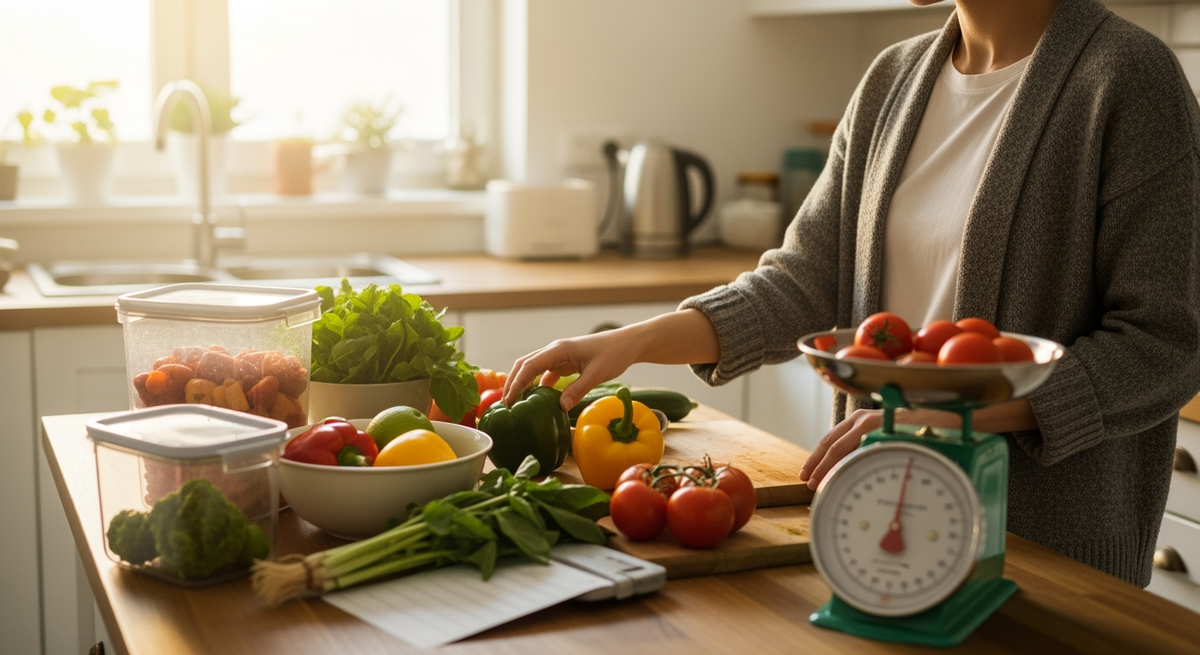
Let’s be honest, throwing away food feels like tossing cash straight into the bin—because it is. The average household wastes about 6.2 cups of edible food every week [1], and for a family of four, that can add up to a staggering $2,913 a year [2]. When you consider that up to 40% of the entire US food supply is discarded annually [3], it’s clear there’s a huge opportunity to do better. But this isn’t a lecture. Think of this as a list of simple, clever tricks to outsmart food waste, make your kitchen run smoother, and put that money back in your pocket. No complicated rules, just easy wins.
1. Shop Your Kitchen First
Before you even think about writing a grocery list, take a quick tour of your own pantry, fridge, and freezer. What do you already have? That half-bag of quinoa, the can of black beans hiding in the back, the frozen chicken breasts you forgot about—these are your starting players. Build your meal ideas around these ingredients first. This simple five-minute audit stops you from buying duplicates and forces you to use up what you own before it expires. It’s the easiest money-saver on this list because it costs nothing and happens before you even leave the house.
2. Plan Your Meals (Loosely)
Meal planning doesn’t have to be a color-coded, laminated chore chart. Just jot down four or five dinner ideas for the week. Knowing you have a plan for chicken on Tuesday and pasta on Thursday prevents the 5 PM panic that leads to expensive, last-minute takeout. And the savings are huge. Cooking at home can save you around $12 per meal compared to eating out [4]. In fact, it can cost over $13,000 more per year to eat out than to cook at home [4]. Even swapping just two restaurant meals for home-cooked ones each week can save you $1,000 a year [5].
3. Become a Batch Cooking Pro
Batch cooking is your secret weapon against weeknight chaos. It’s not about making ten different meals; it’s about preparing core ingredients in bulk. On Sunday, cook a big pot of rice, grill a few chicken breasts, or roast a pan of vegetables. Now you have ready-to-go components for salads, wraps, stir-fries, and grain bowls all week long. This ‘cook once, eat three times’ approach makes pulling together a healthy dinner faster than waiting for a delivery driver. As one home economist noted, batch cooking is cost-effective and helps ensure your diet remains healthy and balanced [6].
💡 Pro Tip
4. Use It All: Stems, Peels, and Ends
A lot of what we call ‘scraps’ is actually perfectly good food. Think like a chef and use the whole vegetable. Slice up those broccoli stems and toss them in your stir-fry—they’re delicious and packed with nutrients. Keep a bag in your freezer for onion skins, carrot peels, and celery ends; once it’s full, boil them to make a free, flavorful vegetable broth. Stale bread can be cubed for croutons or blitzed into breadcrumbs. This isn’t about being stingy; it’s about getting the maximum value for every dollar you spend on groceries.
5. Give Leftovers a Makeover
The word ‘leftovers’ can sound a bit sad, so think of them as ‘ingredients for a head-start meal.’ Instead of just reheating last night’s dinner, transform it. That leftover roast chicken can be shredded for tacos or a BBQ sandwich. Extra rice is the perfect base for a quick fried rice. Spare roasted veggies are amazing in a frittata or omelet. People who do this consistently make a real dent in their waste. Households that frequently use leftovers waste only 3.5 cups of edible food per week, compared to a whopping 12 cups for those who often toss them [1].
6. Master Food Storage Basics
You bought the food, now protect your investment. A few simple storage tricks can dramatically extend the life of your produce. Store herbs like parsley and cilantro like a bouquet of flowers—stems in a glass of water in the fridge. Wrap celery tightly in aluminum foil, not plastic wrap, and it will stay crisp for weeks. Keep your potatoes and onions in a cool, dark place, but store them separately, as onions can cause potatoes to sprout. These little bits of knowledge can save a household about $80 a month by preventing premature spoilage [7].
The most valuable lesson of the Italian kitchen is to never throw anything away: no crumbs or bones ever get thrown in the bin. [1]
7. Organize Your Fridge with ‘FIFO’
Restaurants and grocery stores use a simple system to reduce spoilage, and you should too: ‘First In, First Out’ (FIFO). In plain English, it just means moving older items to the front of the fridge or pantry and putting the new stuff in the back. When you bring home a new carton of yogurt, place it behind the one that’s already open. This simple habit ensures that food gets seen and used before it has a chance to get lost in the back and expire, helping you avoid becoming part of that $2,913 yearly food waste statistic [2].
8. Know What You Can (and Can’t) Freeze
Your freezer is a magic ‘pause button’ for food that’s about to go bad. You can freeze way more than you think. Bread on its last day? Freeze it for toast. A block of cheese you won’t finish? Shred it and freeze it for future recipes. Leftover soup, chili, or broth freezes perfectly. You can even freeze milk (just leave room for expansion). The key is to get things in there before they turn. A well-stocked freezer is your best friend for quick, home-cooked meals, saving you from pricey takeout and helping you save up to $1,000 a year [5].
9. Create an ‘Eat Me First’ Bin
This might be the easiest and most effective hack of all. Get a clear container and label it ‘Eat Me First.’ Place it in a visible spot in your fridge and fill it with anything that needs to be used up soon: half an onion, leftover pasta, a yogurt cup nearing its date, or that handful of greens. This visual cue acts as a billboard for the whole family, reminding everyone to grab these items first for a snack or to add to a meal. It’s a simple system that makes saving food from the bin an automatic, daily habit.
ℹ️ Info
10. Have a Weekly ‘Use-It-Up’ Meal
Put it all together by designating one meal a week as a ‘use-it-up’ night—think Friday night dinner or Saturday lunch. The goal is to get creative and build a meal around whatever is left in the ‘Eat Me First’ bin and other fridge odds and ends. This is perfect for flexible dishes like ‘kitchen sink’ stir-fries, frittatas, soups, or pasta sauces. It’s a fun challenge that clears out the fridge before your next grocery run, prevents waste, and saves money—about $80 a month [7]. Plus, you’re helping the planet, since food waste contributes to 8-10% of global greenhouse gas emissions [8].
Your Quick-Hit Kitchen Savings Plan
- Shop your kitchen first to avoid buying duplicates.
- Plan a few meals to prevent last-minute takeout.
- Give leftovers a creative makeover for a ‘free’ meal.
- Organize your fridge so older food gets used first.
- These small habits can save a family over $2,900 a year!
A Smarter Kitchen is a Richer Kitchen
Adopting these habits isn’t about adding more chores to your list; it’s about building smarter, simpler routines that pay you back. By being a little more mindful, you can reclaim a significant chunk of that $2,913 [2] and feel good knowing you’re reducing your environmental footprint [8]. A well-run kitchen doesn’t just feed you well—it makes your life easier and your wallet fatter. Now that’s a recipe for success.