10 Easy Ways to Green Your Home & Save Money


Ever think that “going green” sounds like a lot of work or a big hit to your bank account? It’s a common misconception, but here’s the honest truth: making your home more eco-friendly doesn’t have to be complicated, expensive, or involve composting everything you own (unless you want to, of course!). In fact, many sustainable living habits are actually clever ways to save some cash. It’s about making smart, small adjustments to your everyday routine that add up to big wins for both the planet and your wallet. No jargon, no lecturing, just straightforward tips that anyone can tackle. Ready to trim your carbon footprint and boost your bank balance? Let’s dive into some surprisingly simple changes.
1. Tweak Your Thermostat (Just a Little!)
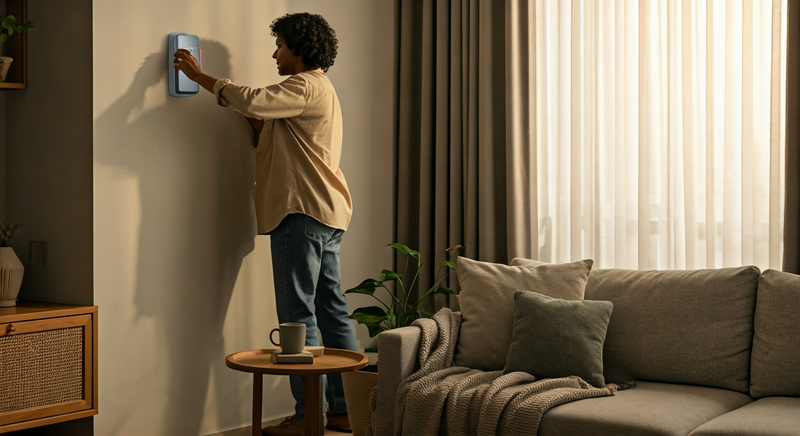
This is probably the easiest “set it and forget it” tip out there. You don’t need to freeze in winter or melt in summer. Simply nudging your thermostat down by a single degree Celsius (or up in summer) can make a real difference. Think of it as finding your comfort zone, but a slightly more efficient version. This tiny adjustment alone could slice up to 10% off your annual energy bill [1]. That’s free money back in your pocket for almost no effort. If you’re fancy, a programmable thermostat can do the work for you, adjusting temperatures when you’re asleep or away.
2. Give Laundry the Cold Shoulder
Here’s a little secret: most of the energy your washing machine uses doesn’t go into spinning clothes; it goes into heating the water. Modern detergents are pretty amazing and are designed to work just as effectively in cold water. So, next time you’re tossing in a load, consider hitting that ‘cold wash’ setting. Setting your washing machine (and even your dishwasher!) to a cooler 30°C can slash energy usage by a whopping 40% [2]. Your clothes will still come out sparkling clean, and you’ll be saving energy and money without even breaking a sweat.
3. Make the Bright Switch to LED Bulbs
Remember those old incandescent bulbs that got super hot and burned out quickly? Well, welcome to the future! LED (Light Emitting Diode) bulbs are a true game-changer. They might cost a little more upfront, but they’re an investment that pays you back, big time. LEDs can save up to 75% on your lighting energy costs, and they last ages — sometimes decades [4]! That means fewer trips to the store for replacements and more money staying right where it belongs: in your bank account. It’s an easy swap that brightens your home and dims your utility bills.
💡 Pro Tip
4. Stop Throwing Cash in the Trash
Food waste is a silent money drainer. It’s shocking how much perfectly good food ends up in the bin! Did you know that households typically waste about one-fifth of the food and drink they buy? For an average household, that can add up to around $700 a year down the drain [3]. The good news? This is totally fixable. Simple habits like meal planning, sticking to a shopping list, or getting creative with leftovers can make a huge difference. You’ll eat better, save money, and waste less. Win-win-win!
5. Become a Household Leak Detective
A tiny drip might seem harmless, but over time, those little leaks from faucets or running toilets can add up to a surprising amount of wasted water and money. It’s like a slow, steady drain on your wallet! The good news is, fixing these issues is often simple. For a running toilet, drop a few drops of food coloring in the tank; if color appears in the bowl without flushing, you’ve found your culprit. Fixing correctable household leaks can save homeowners roughly 10% on their water bills [6]. Your detective work pays off!
6. Seal Drafts and Stop Heating the Neighborhood
Ever feel a cold breeze near a window or door even when it’s closed? Those tiny gaps and cracks are letting your expensive heated (or cooled) air sneak right out, making your HVAC system work harder and costing you more money. This is where a bit of “weatherizing” comes in handy. Simple solutions like weatherstripping around doors, caulking cracks around windows, or even using a door snake can make a huge difference. Sealing these gaps can save an average of $400 per year on energy costs [10]. It’s about keeping your home cozy and your wallet happy.
“Buy less, choose well. Make it last.”
7. Slay the ‘Vampire Power’ in Your Home
No, we’re not talking about Twilight, but about those electronic devices that secretly suck power even when they’re turned off or in standby mode. Think of your TV, game console, coffee maker with a clock, or even phone chargers. This ‘vampire power’ (also called phantom load) might seem small for one device, but it adds up! Unplugging electronic devices when not in use can absolutely save you money on your energy bill [7]. The easiest way to fight these energy vampires? Plug them into a power strip and flip the switch off when you’re done. Simple as that!
8. Break Up with Single-Use Items
The world is awash in single-use plastic, but you don’t have to be part of the tide. Making the switch to reusable items is one of the easiest ways to reduce waste and often save money over time. Think about it: a reusable water bottle, a coffee mug from home, and your own shopping bags. These choices significantly cut down on plastic waste [8]. Plus, some coffee shops even give you a discount for bringing your own mug! It’s a small change, but a powerful statement, and it feels good to be part of the solution.
9. Join the Conscious Consumer Club
This one is about shifting your mindset just a little. Before you buy something new, pause and ask yourself: Do I really need this? Can I borrow it? Can I buy it second-hand? When you do buy, try to choose items that are durable, can be repaired, or have a lower environmental impact. You’re not alone in this thinking; a significant number of people – around 66% of global consumers – are actually willing to pay more for sustainable goods [9]. You’re not sacrificing, you’re making smarter, more thoughtful choices that align with your values and often last longer, saving you money in the long run.
ℹ️ Info
10. Turn Off the Tap (Just a Little Sooner)
Water is a precious resource, and we often use more than we realize. An average American household uses around 300 gallons of water daily, with nearly 70% used indoors [5]! So, how about being a bit more mindful about when that water is running? Simple habits like turning off the faucet while you brush your teeth, or when you’re soaping up dishes in the sink, make a big difference. Even shaving a minute or two off your shower time can conserve gallons. It’s not about deprivation; it’s about being aware and appreciating this vital resource. Every drop saved is a small win for your water bill and the planet.
Your Wallet-Friendly Green Cheat Sheet
- Lower Your Thermostat: A 1-degree change can cut your energy bill by up to 10% [1].
- Switch to LEDs: Use 75% less energy on lighting and change bulbs less often [4].
- Waste Less Food: Plan meals and eat leftovers to save hundreds of dollars a year [3].
- Fix Leaks Promptly: Stop dripping faucets and toilets to save 10% on your water bill [6].
- Choose Reusables: Ditch single-use plastic bags, bottles, and cups to reduce plastic waste [8].
It’s Easy Being Green (and Richer)
See? Making your home a bit more eco-friendly doesn’t require a complete overhaul or a degree in environmental science. It’s about small, smart choices that add up over time. These everyday sustainability tips aren’t just good for the planet; they’re genuinely good for your bank account too. So pick one or two that resonate most, give them a try, and watch the savings (and the good vibes) roll in. You’ll be surprised how easy it is to live a greener, more frugal life without sacrificing comfort or convenience. Cheers to being smart, simple, and sustainably savvy!