10 Clues You're Being Greenwashed & How to Shop Smarter

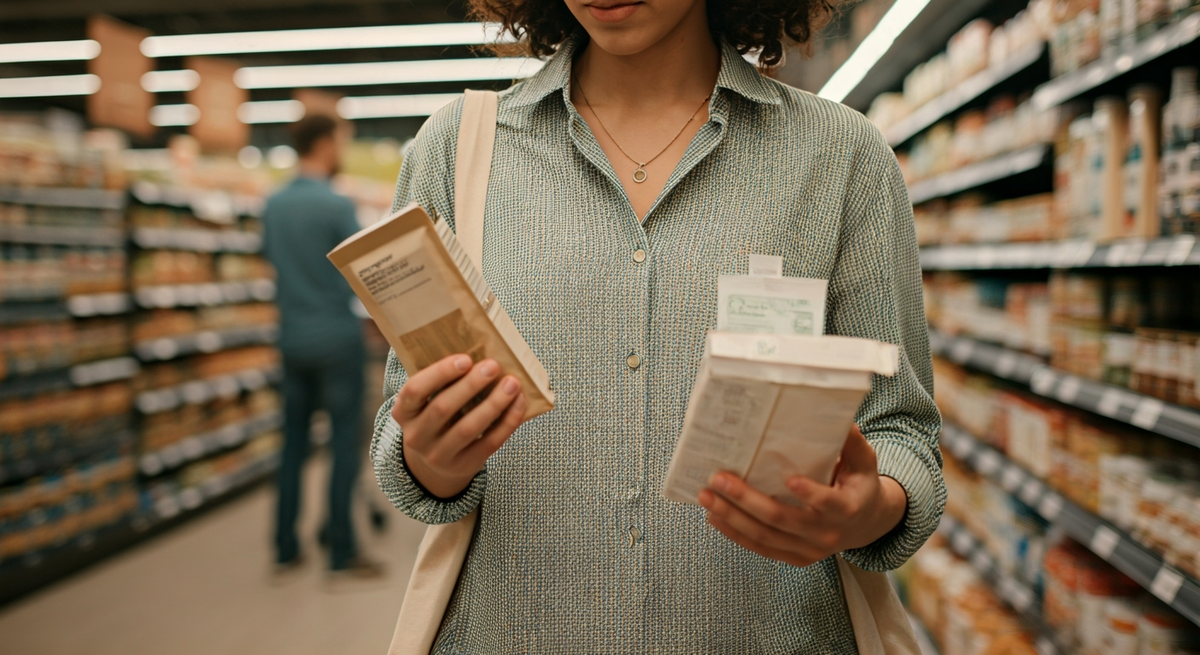
It’s wonderful how many of us are trying to make more thoughtful choices when we shop, isn’t it? About 78% of consumers say sustainability is important, and a good 62% actively look for sustainable products [2]. But here’s the rub: not every eco-friendly claim is the real deal. In fact, globally, 52% of people have encountered false or misleading information about brands’ green efforts [1]. This tricky business, known as ‘greenwashing,’ can make it really tough to know who to trust. Don’t worry, though! We’re here to help you become a smart ‘greenwashing detective’ with 10 simple clues. You’ll be spotting those marketing tricks like a pro in no time.
1. Vague & Fluffy Language
Have you ever seen a product boasting it’s “eco-friendly,” “all-natural,” or just plain “green” without really explaining what any of that means? This is a classic greenwashing tactic. These words sound lovely, but without specific details or proof, they’re just fluff. For example, in the EU, a surprising 40% of green claims don’t have any real evidence to back them up [13]. A truly green product should be able to tell you exactly how it’s sustainable, not just whisper sweet nothings. Look for the ‘why’ and the ‘how’ behind their big statements.
2. Pretty Pictures, No Proof
Ever noticed how many products suddenly feature lush forests, sparkling rivers, or cute little animals on their packaging? It’s often a marketing trick designed to make you feel like a product is good for the environment, even if it’s not. They’re trying to create an emotional connection using green colors, leaves, or globes. While these images are pleasant, they don’t tell you anything about the product’s actual environmental impact. Don’t let pretty pictures fool you! Look past the aesthetics and search for concrete words and data instead of just vibes.
3. The Hidden Trade-Off
This one is a bit sneakier. A company might proudly highlight one small “green” aspect of a product to distract you from other, less eco-friendly parts of its journey. Think of a shirt made from “organic cotton” (which is great!), but perhaps the dyes used are harmful, or the workers who made it are paid unfairly. Orsola De Castro wisely said, “It isn’t enough just looking for quality in the products we buy, we must ensure that there is quality in the lives of the people who make them” [6]. Real sustainability considers the whole picture, from start to finish, not just one shining detail.
💡 Pro Tip
4. Irrelevant Claims
Sometimes, companies will brag about something that’s technically true but completely irrelevant or even legally required. A classic example is a product labeled “CFC-free.” While that sounds environmentally conscious, CFCs (chlorofluorocarbons) have actually been banned in many products for decades! So, while it’s true the product doesn’t contain them, it’s not a special, voluntary effort on the company’s part. It’s like a brand boasting its product is “dog-free” – it might be true, but why are they telling you? It’s a way to sound green without actually doing anything extra.
5. It’s All About the Packaging
Another common trick is when a company focuses all its green energy on the packaging, hoping you won’t look too closely at what’s inside. They might proudly announce “recyclable packaging” or “made with recycled materials,” which is good, but the product itself might be far from eco-friendly. Imagine a bottle of harsh chemical cleaner in a perfectly recyclable bottle. The bottle is a step in the right direction, but the contents are the real issue for the environment. Always remember to look beyond the wrapper to the product’s entire journey and impact.
6. Look Out for Fake Labels
As more consumers seek sustainable options, companies know that official-looking labels build trust. But some brands get crafty and create their own “certification” logos that look impressive but aren’t actually verified by any independent body. They might put a green leaf with a catchy phrase like “Eco-Certified by Us!” – which means nothing. With as many as 95% of products claiming to be green containing some form of greenwashing, you have to be vigilant [4]. If you see a seal or label you’ve never heard of, a quick online search can usually tell you if it’s legitimate or homemade.
“Every time you spend money you are casting a vote for the kind of world you want.” - Anna Lappe [6]
7. Look for Real, Third-Party Labels
Now for the good news! To counter the fake labels, there are plenty of trustworthy, independent certifications out there. These are like a gold seal of approval from organizations that have actually checked a product or company’s environmental and ethical claims. Think about labels like USDA Organic, Fair Trade Certified, B Corp, or Leaping Bunny. Consumers are often skeptical of claims that aren’t backed up, so these reputable eco-labels really do offer assurance [11]. They’re a reliable shortcut to help you make smart, confident choices without doing all the detective work yourself every time.
8. They Launch One ‘Green’ Product
Sometimes, a huge company known for not being particularly eco-friendly will launch one tiny “conscious collection” or a single “green” product line. While this could be a genuine first step, it’s often a marketing move designed to make the whole brand seem sustainable, even if 99% of their operations are still business-as-usual. It’s a
9. They Brag, But Give No Details
Truly ethical and sustainable brands are usually very proud of their efforts and quite transparent about them. They’ll likely have a dedicated “Sustainability” section on their website, filled with actual reports, data, supply chain maps, or specific, measurable goals. If you visit a brand’s site and find only vague mission statements, beautiful photography, and flowery promises without any concrete details, that’s a red flag. Real efforts are backed by facts and figures, not just pretty words. Dig a little deeper; transparency is key.
ℹ️ Info
10. Ask: Do I Really Need This?
This might be the most powerful clue of all. Before you even get to green claims, simply ask yourself: “Do I really need to buy this?” The most eco-friendly product is often the one you don’t buy at all. As Orsola de Castro said, “The most sustainable garment is already in your wardrobe” [18]. Or as Vivienne Westwood put it, “Buy less, choose well, make it last” [5]. This isn’t about deprivation; it’s about thoughtful consumption. It’s the smartest, simplest, and often most budget-friendly choice you can make for both your wallet and the planet.
Your Greenwashing Detective Toolkit
- Be skeptical of vague words like ‘eco-friendly’ and ‘natural.’
- Look for specific details and data to back up green claims.
- Trust reputable, third-party certification labels.
- Consider the ethics of the whole company, not just one product.
- Always ask yourself if you truly need to buy something new.
Making Your Vote Count
Navigating the world of “green” products can sometimes feel like a tricky maze, but it doesn’t have to be overwhelming. You now have some straightforward tools to spot those marketing tricks and make choices that truly align with your values. Remember, every time you choose a genuinely sustainable option, you’re not just making a purchase; you’re sending a powerful message to companies that consumers want real action, not just clever advertising. It’s exciting to see that products marketed as sustainable are growing 2.7 times faster than others [12], and 79% of consumers are already shifting their habits [16]. You’re part of a growing movement making a real difference, one smart choice at a time!
Sources
- #Greenwashing
- #Sustainable shopping
- #Eco friendly consumerism
- #Conscious consumerism
- #Consumer tips
- #Shopping smart
- #Environmental claims
- #Ethical consumption
- #Avoiding greenwashing
- #Greenwashing explained
- #Eco friendly claims
- #Spot fake green
- #Conscious consumer
- #Ethical brands
- #Marketing tricks
- #Real sustainability
- #Smart choices
- #Eco labels