The Great Texas Bee Mystery

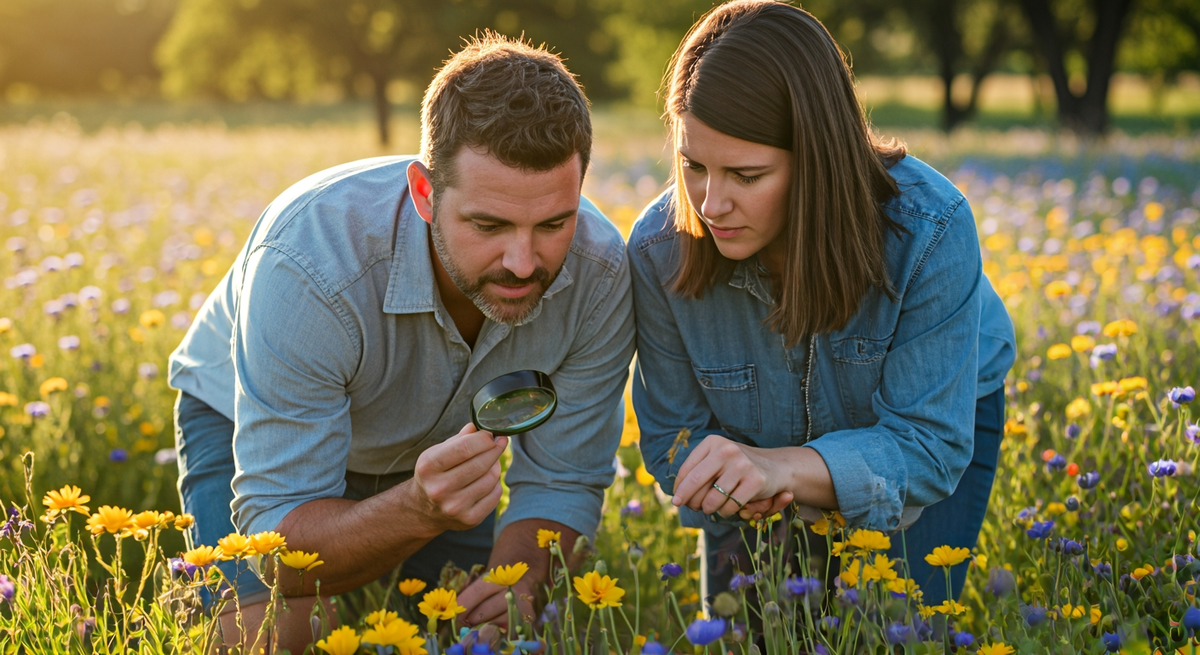
Something rather unusual, and a bit concerning, has been happening down in the heart of Texas. Our busy little friends, the honeybees, seem to be facing some tough times, and their numbers are dropping. What might seem like a small buzz about bees actually tells a bigger story about the health of our environment, and perhaps, even our dinner plates.
Why Are Bees Buzzing Off?
- Pesky parasites, like the Varroa mite, are causing big problems for bee colonies [1].
- Chemicals, especially certain pesticides, can make bees sick and disoriented [1].
- Losing natural places for bees to live and find food means poor nutrition for them [1].
- Changing weather patterns and warmer temperatures can mess with their homes and food sources [2].
- Even other ‘migratory’ honeybees, moved around by beekeepers, can sometimes make it harder for native bee populations to thrive [3].
Why a Bee Problem is a People Problem
Now, you might be thinking, ‘What’s a little less honey mean for me?’ Well, it’s bigger than just honey. Here’s a surprising fact: roughly one out of every three bites of food we eat, from apples to almonds, is made possible by pollinators like bees [4]. When bee populations struggle, so do the plants they pollinate. In Texas alone, these tiny workers help pollinate crops worth nearly $587 million each year [5]. Fewer bees could mean less food on our tables, higher prices at the grocery store, and even a quieter backyard garden. It’s a ripple effect that touches everyone.
The Buzz by the Numbers
- Texas saw a dramatic 61% honeybee colony loss in early 2025, which is even higher than the national average [6].
- About one out of every three bites of food we enjoy relies on pollinators like bees [4].
- Globally, bees and other critters help nearly 75% of all flowering plants reproduce [7].
- In the Lone Star State, bees are busy pollinating crops that add up to almost $587 million annually [5].
- Did you know there are over 4,000 different types of bees in the United States, not just honeybees? [8]
- Sadly, eighteen types of native Texas bees are now considered species needing urgent conservation efforts [9].
A Wise Word on Our World
The fact is that no species has ever had such wholesale control over everything on Earth, living or dead, as we now have. That lays upon us, whether we like it or not, an awesome responsibility. In our hands now lies not only our own future, but that of all other living creatures with whom we share the Earth.
What You Can Do to Help the Bees
- Plant a bee-friendly garden with native, colorful flowers like sunflowers or bluebonnets – they love them!
- Put out a shallow dish of water with a few pebbles or marbles; bees need to drink too, and the pebbles give them a safe landing spot.
- Try to avoid using pesticides and weed killers in your yard, especially when flowers are blooming. These chemicals can harm bees.
- Support your local beekeepers by buying their honey and beeswax products at farmers’ markets.
- Let a small patch of your yard go a little wild; some native bees nest in undisturbed soil or hollow stems.
- Share what you’ve learned! A quick chat with a friend or neighbor can help spread the buzz about helping pollinators.
What’s Next for Our Fuzzy Friends?
While the numbers from Texas might seem a bit daunting, there’s good reason for cautious optimism. More and more folks are becoming aware of the important role bees play, and that’s the first step to making a difference. Experts at places like the Texas Parks and Wildlife Department are actively working to protect native bee species, some of which are already facing serious conservation needs [9]. The future of our pollinators really hinges on a combination of big-picture research and policies, coupled with the small, thoughtful actions each of us can take. It’s a group effort, and every little bit helps.
So, this ‘Great Texas Bee Mystery’ isn’t just a quirky wildlife story; it’s a powerful reminder of how connected we all are to nature, even in our own backyards. What happens to a tiny honeybee far away in a field can eventually affect the food on your plate or the flowers in your garden. But here’s the good news: we don’t have to just sit back and watch. Each of us has the power to lend a hand, making our communities a little friendlier for these incredible, hardworking creatures. After all, as they say, ‘Anyone who thinks they’re too small to make a difference has never met the honey bee.’