Grow a Green Thumb Without the Grind: Your Easy Guide to a Low-Effort Garden
-

- 01 Feb, 2026
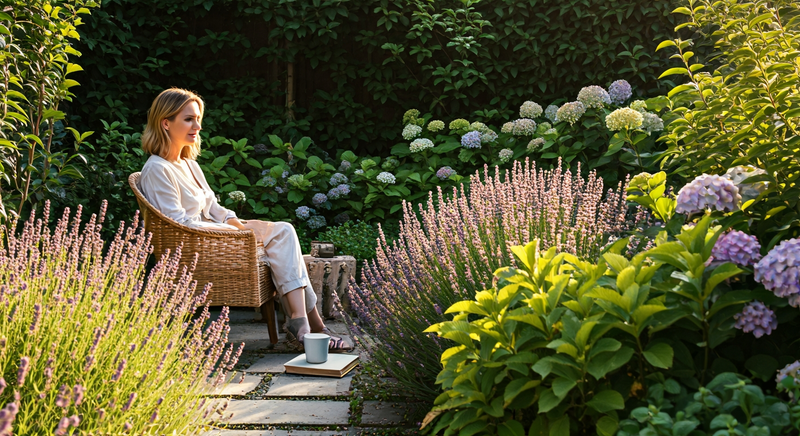
Let’s be honest: who doesn’t want a beautiful yard without the back-breaking work? We all crave that lush, vibrant outdoor space, but the thought of constant weeding and endless watering can feel like a part-time job. Good news! Creating a gorgeous, low-maintenance garden is totally doable. This guide will show you simple steps to achieve your green dreams, giving you more time for relaxing and less time stressing. After all, connecting to nature and finding stress relief are two of the biggest reasons people garden [2].
What You’ll Need to Get Started
- Gardening gloves (your hands will thank you)
- A small hand trowel
- A watering can or hose
- Your chosen low-maintenance plants
- A bag of quality potting soil or compost
- A bag of mulch
⚠️ Safety First
5 Steps to a Stress-Free Garden
- Step 1: Pick the Perfect Spot
- Step 2: Choose ‘Unkillable’ Plants
- Step 3: Prep Your Space the Smart Way
- Step 4: Plant and Mulch Like a Pro
- Step 5: Set Up ‘Lazy’ Watering
First things first, let’s talk sunshine. Before you dig anything, spend a day (or a few hours) observing where the sun hits your yard. Does a spot get blasted all afternoon, or is it mostly shady? Plants need the right amount of light to thrive. ‘Full sun’ means 6+ hours of direct sun, ‘part shade’ is 3-6 hours, and ‘shade’ is less than 3 hours. Matching your plant to its ideal light conditions is like giving it a head start—it makes your job way easier later on.
Step 2: Choose Your Plant All-Stars
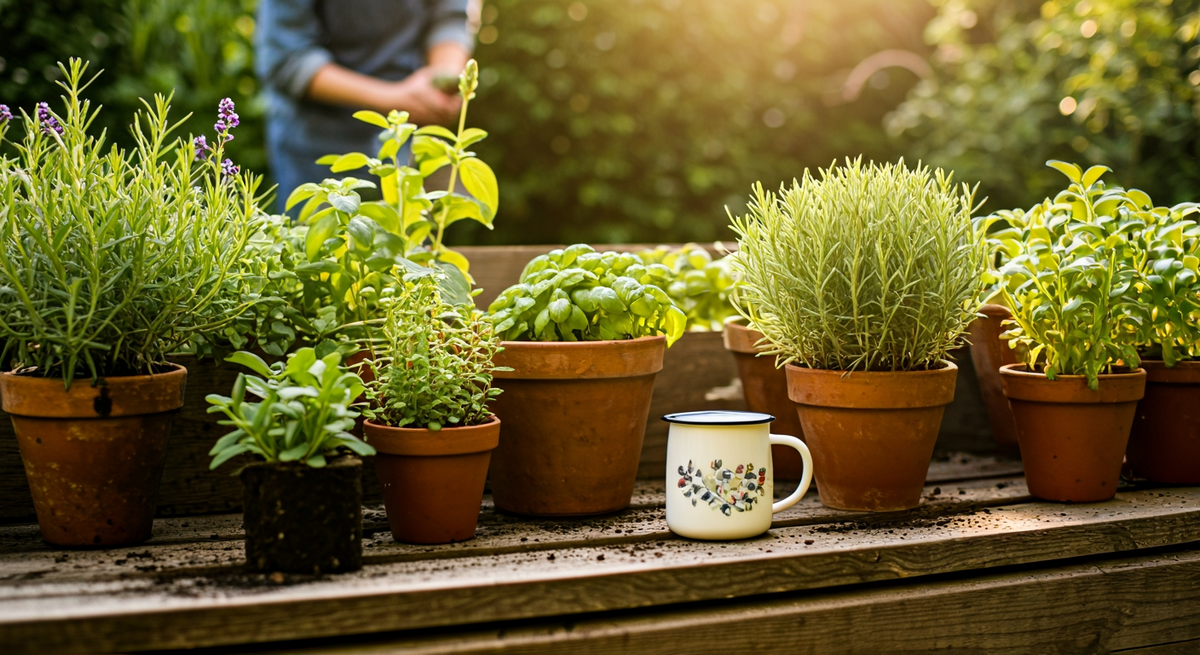
Ever feel like you’ve got a black thumb? You’re not alone. New gardeners report killing about half of their plants, but don’t let that stop you [9]! The secret is picking plants that are tough-as-nails and actually enjoy a bit of neglect. For containers, think Snake Plants, ZZ Plants, or Pothos; they practically water themselves (almost!). For garden beds, Hostas (for shade) or Sedum (for sun) are fantastic, low-drama options that shrug off most problems [4].
Step 3 & 4: The Plant-and-Mulch Combo
Time to get your hands a little dirty! Dig a hole that’s about twice as wide as your plant’s pot, but only as deep as the root ball. Gently place your plant in, fill the hole back with soil, and give it a good drink. Now for the game-changer: mulch! This isn’t just for looks. Spreading a 2-3 inch layer of wood chips, shredded bark, or straw around your new plants is a time-saving superpower. Mulch helps the soil retain water, so you water less often, and it squashes those pesky weeds before they even start [7]. Less watering and less weeding? Yes, please!
Step 5: Water Smarter, Not Harder
You’re in good company if you don’t want to spend all your free time with a hose in hand—over 40% of homeowners feel the same way about outdoor maintenance [3]. This is where smart watering solutions come in. For potted plants, consider self-watering pots; they have a reservoir that keeps your plant hydrated for days. For garden beds, a soaker hose or drip irrigation system is a fantastic ‘set it and forget it’ option. These systems deliver water directly to the plant roots, reducing waste and effort. It’s a small upfront investment that pays you back with free time and happy plants all season long [4].
Troubleshooting: When Plants Look Sad
- Yellow Leaves? Might be too much water. Let the soil dry out.
- Wilty Plant? Probably thirsty. Give it a good drink.
- Brown, Crispy Edges? Could be too much direct sun. Try moving it or providing some shade.
- No Flowers? It might need more sun, a little plant food, or it’s just not the right season.
- Leggy/Stretched Out? Your plant is reaching for light. Move it to a brighter spot.
- Tiny Bugs? A simple spray of soapy water (a few drops of dish soap in a spray bottle of water) often works wonders.
Your Gardening Questions, Answered
How can gardening really lower stress?
It’s not just about digging in the dirt! Studies show daily gardeners have significantly lower stress levels and higher well-being scores [1]. The simple act of caring for a living thing and connecting with nature is a powerful way to relax your mind and even reduce feelings of fatigue and anxiety [11]. It’s a natural mood booster.
Is a nice garden worth the investment?
Absolutely! Besides the mental health perks, nearly half of homeowners see plants and greenery as an extremely important outdoor upgrade [3]. A well-kept, beautiful landscape isn’t just for you to enjoy—it can also boost your home’s value by an estimated 10-12% [10]. Think of it as an investment in both your happiness and your property.
💡 Pro Tip
Time to Enjoy Your Green Oasis
See? Creating a beautiful, stress-free garden doesn’t require a green thumb, just a smart approach. By choosing tough plants, mulching well, and watering smarter, you’ve laid the groundwork for an outdoor space that truly works for you. Gardening, at its heart, is about connecting with nature and finding relaxation [2]. So, grab a low-maintenance plant, a bit of soil, and start your own little slice of paradise. You’ve got this, and your future, relaxed self will thank you!