10 Gentle Ways to Help Your Anxious Pet Feel Calm and Happy
-

- 24 Mar, 2026
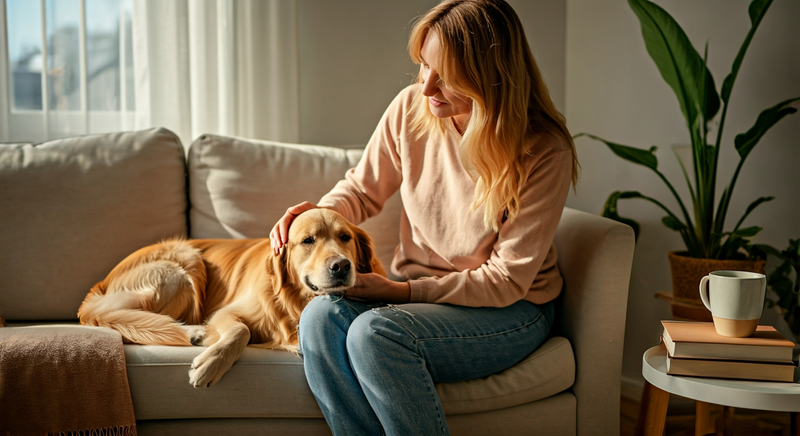
Our beloved pets are more than just companions; they’re family. And just like us, they can sometimes feel a little overwhelmed or anxious. Perhaps your usually playful pup is suddenly jumpy, or your cuddly cat is hiding more often. If you’ve noticed your furry friend acting a bit “off” lately, you’re not alone. Pet anxiety is incredibly common, with a Finnish study finding that 72.5% of dogs show at least one anxiety-related behavior [1]. In fact, dog separation anxiety has seen a huge jump, increasing by over 700% in just two years [3]! But don’t worry, helping them find their calm can be simpler than you think. Let’s explore some gentle, everyday tips to bring peace back into your home.
1. Watch for Excessive Grooming
Just like we might nervously tap our foot or bite our nails, pets sometimes cope with stress through repetitive actions. If you notice your dog or cat constantly licking, chewing, or grooming a particular spot — especially if it seems compulsive or out of character — it could be a sign of anxiety [9]. This isn’t just normal cleaning; it’s an attempt to self-soothe. When you spot this, try gently redirecting their attention with a favorite toy or a short, calming walk. It’s all about helping them shift that anxious energy.
2. Note Any Changes in Appetite
Our emotions often show up at the dinner table, and it’s the same for our pets! Stress can cause changes in appetite, either leading to a complete disinterest in food or, surprisingly, an increase in eating, almost like “stress eating” for comfort [9]. If your pet suddenly leaves food untouched or, conversely, seems hungrier than usual without any other apparent reason, it’s worth noting. Keeping an eye on these shifts in their normal eating patterns can be a quiet clue that something might be bothering them.
3. Create a Cozy ‘Safe Space’
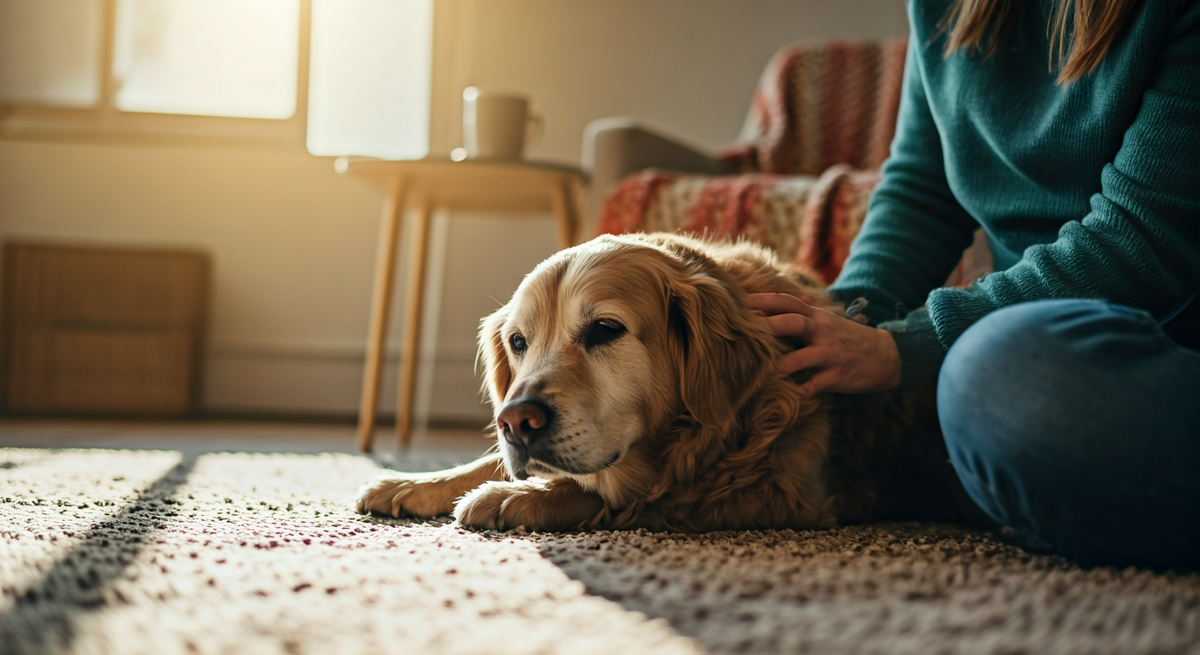
Imagine having a secret hideaway just for you when things get a bit much. Pets need that too! Creating a dedicated safe space, like a cozy corner with their favorite blanket and a familiar toy, can make a world of difference [10]. This might be an open crate, a quiet spot under a table, or even a soft bed tucked away in a less trafficked room. The key is that this is their private retreat, a place where they feel completely secure and undisturbed, giving them control over their environment when they feel overwhelmed.
💡 Pro Tip
4. Stick to a Predictable Routine
Pets thrive on predictability; it’s their comfort zone! A consistent daily routine helps them feel secure because they know what to expect from their day [10]. Try to keep mealtimes, walks, playtime, and bedtime as regular as possible. This steady rhythm can significantly reduce their anxiety levels, especially for pets dealing with separation anxiety, because it builds a strong sense of security and trust in their daily life. Just knowing when their next meal or walk is coming can be incredibly reassuring.
5. Try Some Calming Music
Who doesn’t love a calming melody? Sound can have a surprisingly powerful effect on a pet’s mood. Playing soft classical music or specially composed “pet calming” playlists (you can find tons on streaming services!) has been shown to reduce stress and anxiety in dogs [15]. This is an easy trick to try, especially when you’re leaving them home alone, as it can help mask startling outside noises and create a peaceful atmosphere in your absence. Just set it and let the good vibes roll!
6. Engage Their Brain with Puzzles
Ever heard the saying, “a tired dog is a happy dog”? Well, that applies to mental exercise too! Giving your pet’s brain a workout can be a wonderful way to channel anxious energy into something positive and confidence-boosting. Try using puzzle feeders, snuffle mats, or even simple ‘find the treat’ games around the house. These activities require focus and problem-solving, which can be surprisingly tiring and satisfying, helping to reduce the overall impact of chronic stress on their behavior [6].
If you’re worried about your mother-in-law visiting, or the thunderstorm raging outside, your pet is going to pick up on your anxiety. “Emotional contagion,” the term used to describe the spread of fear in a group, is common in social species. Project a calm image, take a few deep breaths, and your pet will relax with you.
7. Check Your Own Stress Levels
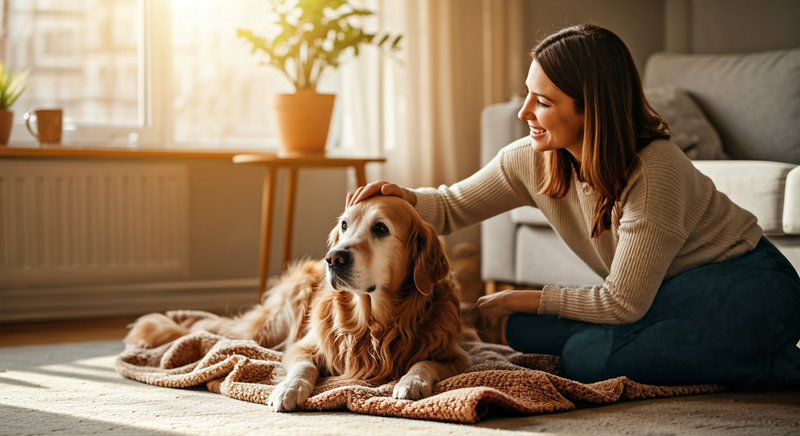
Our pets are incredibly attuned to our emotions, almost like furry little sponges! They pick up on our moods, energy, and even subtle body language. If you’re feeling stressed or anxious, your pet is very likely to notice and reflect that feeling themselves. Before comforting an anxious pet or dealing with a stressful situation (like a thunderstorm), take a moment to breathe deeply and consciously project a sense of calm. Your relaxed energy can be one of the most powerful soothing tools you have. Remember, a calm you means a calmer them!
8. Explore Gentle Herbal Helpers
Just as natural remedies are gaining popularity for us, the same holds true for our canine and feline friends! As Dr. Laurie Coger wisely puts it, “Why treat something with a tank when a hammer will do?” [4]. Certain herbs like chamomile, valerian root, passionflower, and lemon balm are known for their calming effects and can be found in specially formulated pet treats, chews, or even diffusers [10]. They can help reduce stress and promote overall well-being. Of course, always have a quick chat with your vet before adding any new supplement to your pet’s diet, just to make sure it’s the right fit for your furry friend!
9. Recognize New Fears
Life changes, and so can our pets’ fears. What didn’t bother them before might suddenly become a big deal. For example, fear of strangers has surged, becoming the leading cause of anxiety in dogs since 2020, with a 295% increase [3]! If your pet is suddenly wary of visitors, new people on walks, or even certain sounds, be patient. Use positive reinforcement, like small treats and praise, to slowly help them create happy associations with these new experiences. A little understanding goes a long way.
🚨 Important
10. Know When to Call a Pro
Sometimes, despite our best efforts, our pets need a little extra help. And that’s okay! Seeking professional guidance from your vet isn’t a sign of failure; it’s a testament to your loving pet parenting. Chronic stress in pets isn’t just about behavior; it can weaken their immune system and affect their long-term health and longevity [6]. As Nicholas Dodman once asked, “Can we treat animal behavior with the same medicines, therapies, and approaches we use on humans? To me, the answer is an obvious yes” [2]. Your vet can rule out any underlying medical issues and might recommend a certified trainer, a behaviorist, or even medication. Their mental health is just as important as their physical health!
Your Quick-Calm Checklist
- Observe your pet for stress signs like over-grooming or appetite changes.
- Create a ‘safe zone’ and stick to a daily routine to build security.
- Project calm energy; your pet takes cues from you.
- Try simple sensory soothers like calming music or puzzle toys.
- Always consult your vet for persistent anxiety or before trying supplements.
Final Thoughts: A Happier Pet, A Calmer Home
Helping an anxious pet isn’t a chore; it’s an act of deep love and connection. By understanding their cues and gently implementing these simple changes, you’re not just managing their anxiety — you’re enriching their life and deepening the incredible bond you share. Small, consistent efforts truly add up to make a huge difference. Here’s to a more peaceful, happier home for both you and your cherished companion!